Ancient Civilizations You Might Not Know About
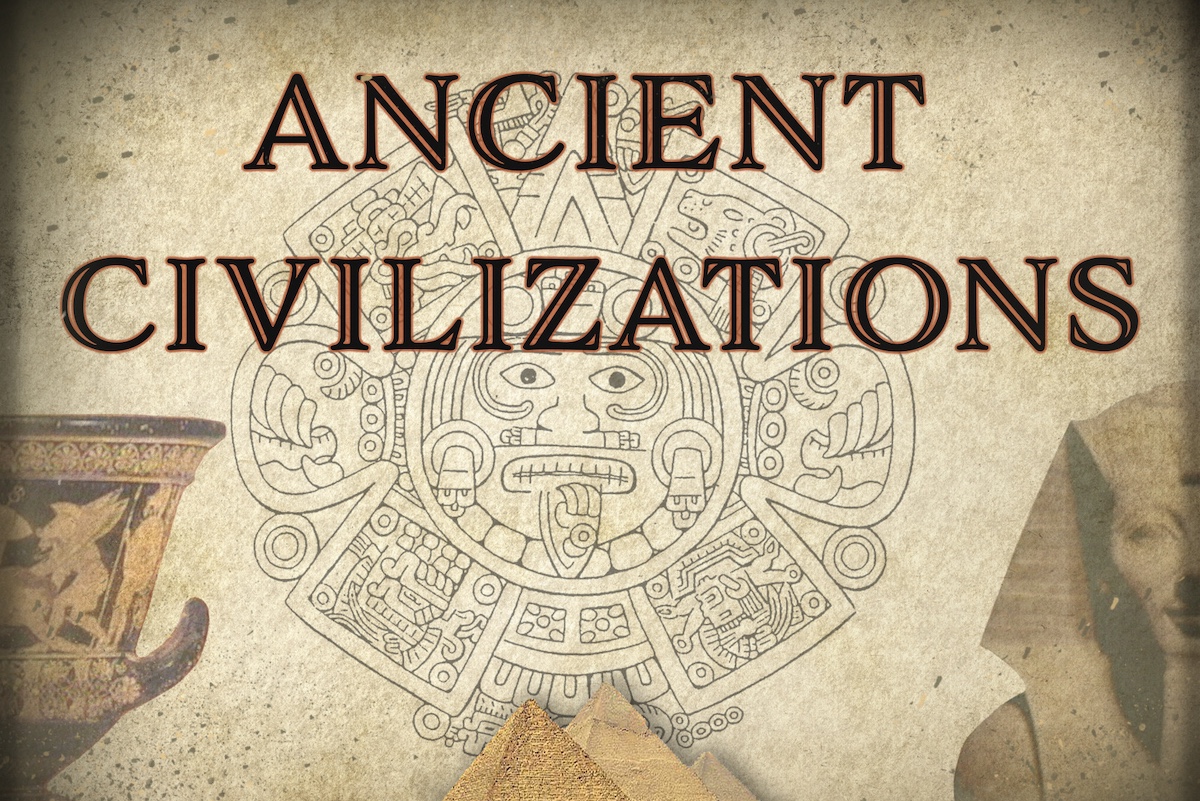
While the names of ancient Egypt, Rome, and Greece often dominate discussions of the distant past, the world was once home to a multitude of other fascinating and complex civilizations, each with its unique contributions and captivating stories. Stepping beyond the familiar, let's explore a few ancient societies that deserve more recognition for their ingenuity, artistry, and impact on human history.
The Nabataeans (c. 6th century BCE - 106 CE): Masters of the Desert
Flourishing in what is now Jordan, the Nabataeans were a nomadic Arab people who rose to prominence through their control of crucial trade routes. Their most famous achievement is undoubtedly the breathtaking city of Petra, carved into sandstone cliffs, a testament to their architectural skill and mastery of water management in an arid environment. They developed sophisticated systems of dams, cisterns, and aqueducts that allowed them to thrive in the desert. Their intricate trading networks connected the Arabian Peninsula with the Mediterranean world, dealing in frankincense, myrrh, and spices. The Nabataean kingdom eventually fell to the Roman Empire, but their legacy in architecture and engineering continues to awe visitors today.
The Kingdom of Aksum (c. 1st - 7th centuries CE): A Powerful African Empire
Located in modern-day Ethiopia and Eritrea, the Kingdom of Aksum was a major trading power in Northeast Africa. They controlled vital sea routes in the Red Sea and traded extensively with the Roman Empire, Egypt, and India. Aksum developed its own unique script, Ge'ez, and was one of the earliest states to officially adopt Christianity under King Ezana in the 4th century CE. Their impressive architectural achievements include towering obelisks (stelae) carved from single blocks of stone, some of the largest monolithic structures ever erected. Aksum's influence extended across the region, and its legacy as a powerful and culturally rich African kingdom is still evident today.
The Indus Valley Civilization (c. 3300 - 1900 BCE): Urban Planning Pioneers
Contemporary with ancient Egypt and Mesopotamia, the Indus Valley Civilization, also known as the Harappan Civilization, flourished in what is now Pakistan and northwest India. This sophisticated Bronze Age society developed remarkably advanced urban planning, with well-organized cities like Mohenjo-daro and Harappa featuring grid-like layouts, standardized brick construction, and sophisticated drainage and sanitation systems that were centuries ahead of their time. They also had a unique writing system that remains largely undeciphered. The reasons for their decline are still debated, but their existence demonstrates a high level of social organization and technological prowess in the ancient world.
The Olmec Civilization (c. 1500 - 400 BCE): The Mother Culture of Mesoamerica
Emerging in the tropical lowlands of south-central Mexico, the Olmec civilization is considered the "mother culture" of later Mesoamerican societies like the Maya and the Aztec. They were skilled agriculturalists and artists, known for their colossal stone heads, some weighing several tons, which likely represent their rulers. The Olmec also developed the earliest known writing system in Mesoamerica and are credited with the invention of the concept of zero, as well as a sophisticated calendar system. Their religious beliefs and artistic motifs profoundly influenced subsequent Mesoamerican cultures.
The Kingdom of Kush (c. 1070 BCE - 350 CE): Nubian Power South of Egypt
Located in what is now Sudan, the Kingdom of Kush was a powerful neighbor and sometimes rival of ancient Egypt. The Kushites developed their own distinct culture, language, and writing system. They built impressive cities with pyramids (albeit smaller and steeper than their Egyptian counterparts) and controlled important trade routes along the Nile River. At one point, Kushite kings even ruled Egypt as the 25th Dynasty. Their rich history and unique blend of African and Egyptian influences offer a fascinating glimpse into the ancient world south of the Sahara.
Exploring these lesser-known ancient civilizations reveals the incredible diversity of human ingenuity and the myriad ways in which societies have organized themselves, innovated, and left their mark on history. By looking beyond the familiar, we gain a richer and more comprehensive understanding of the complexities and interconnectedness of the ancient world.
Latest Articles


Latest Updates in Online Courses and Education.
The term "Dark Ages" often conjures images of ignorance, barbarism, and a general decline following the fall of the Western...
Read MoreModern technology often feels like a product of pure ingenuity, a steady march of progress driven by scientific curiosity. However,...
Read MoreFor too long, the narrative of history has often focused predominantly on the actions and achievements of men, leaving the...
Read MoreMore than just a trade route, the Silk Road was a vibrant network of interconnected pathways that stretched for thousands...
Read MoreMillennia after its golden age, the influence of ancient Greece permeates the very foundations of Western thought, art, and governance....
Read MoreThe two World Wars of the 20th century were cataclysmic events that not only resulted in unimaginable human suffering but...
Read MoreThe late 18th and 19th centuries witnessed a period of unprecedented transformation that we now know as the Industrial Revolution....
Read MoreThe grand sweep of history is punctuated by the ascent and eventual decline of empires – colossal political entities that...
Read MoreExploring the Ancient World: Bible History & Archaeology
Uncover the people, places, and events that shaped biblical and ancient history.
Dive into a rich collection of resources on ancient civilizations, biblical archaeology, and historical contexts. From the empires of Babylon and Assyria to the life of Jesus and the early church, discover maps, timelines, commentaries, and scholarly insights that bring the ancient world to life. Explore the intersection of faith, history, and archaeology with our curated articles, maps, and studies.