The Rise and Fall of Empires: Key Lessons from History
The grand sweep of history is punctuated by the ascent and eventual decline of empires – colossal political entities that have shaped maps, cultures, and the very course of human events. From the Akkadian Empire in the ancient Near East to the vast British Empire of the modern era, their stories are filled with ambition, innovation, conquest, and ultimately, dissolution. While each empire possesses its unique trajectory, examining their rise and fall reveals crucial, recurring lessons that continue to resonate today.
One of the most evident factors in the rise of empires is often a combination of strong leadership, military prowess, and effective organization. Think of the early Roman Republic, fueled by disciplined legions and pragmatic governance, or the Mongol Empire under Genghis Khan, driven by military innovation and a unified purpose. These examples highlight how visionary leaders, coupled with a powerful military and a well-structured administration, can forge disparate groups into formidable forces capable of expansion and control.
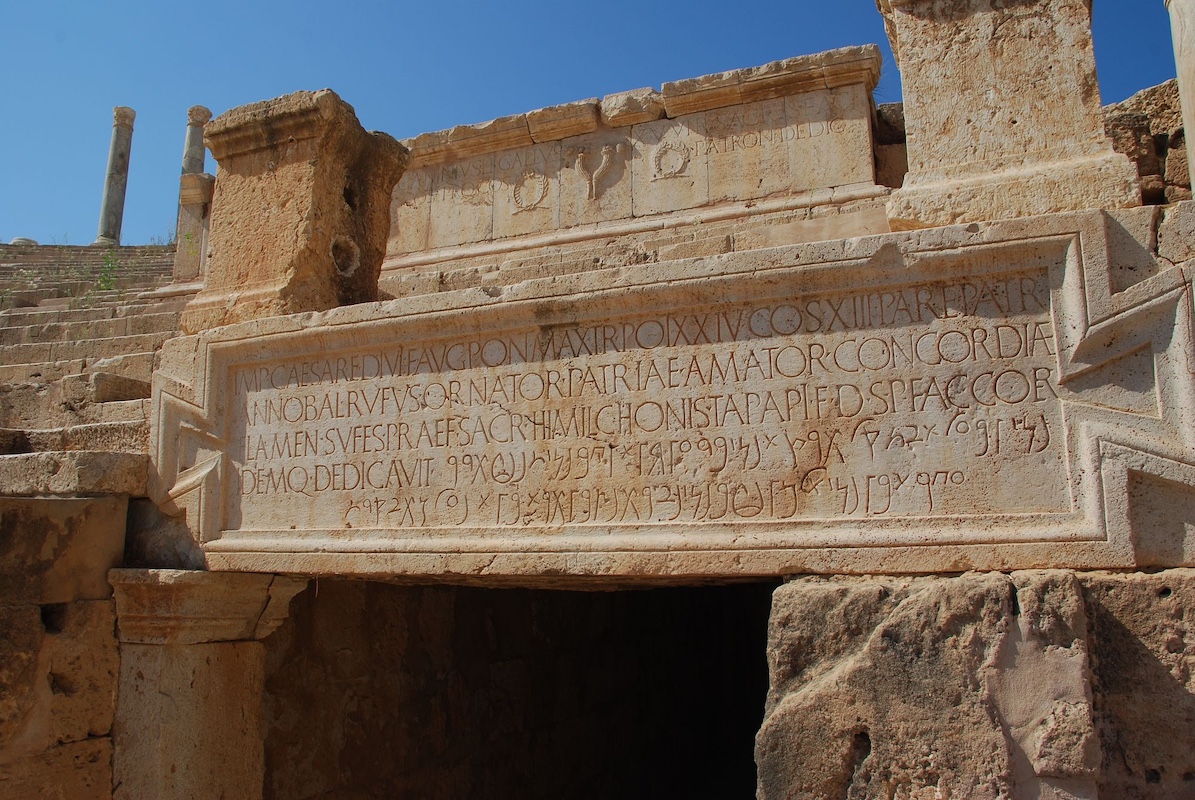
Furthermore, economic prosperity and technological innovation frequently underpin imperial expansion. The Roman Empire’s extensive trade networks and sophisticated infrastructure, including roads and aqueducts, facilitated its growth and sustained its power for centuries. Similarly, the maritime advancements of European powers during the Age of Exploration were instrumental in establishing vast colonial empires. Control over vital resources and the development of new technologies often provide the economic and logistical backbone necessary for imperial dominance.
However, the seeds of an empire's decline are often sown within its very success. Overextension and the challenges of managing vast territories and diverse populations frequently lead to instability. The Roman Empire, at its zenith, found it increasingly difficult to govern its far-flung provinces, leading to administrative burdens, internal revolts, and the constant pressure of defending long borders. Maintaining unity and loyalty across diverse cultures and geographical scales proves to be a persistent challenge for sprawling empires.
Internal strife and political decay are also significant contributors to imperial decline. Corruption, factionalism, and the erosion of civic virtue can weaken the central authority and undermine the legitimacy of the ruling class. The late Roman Empire was plagued by power struggles, assassinations, and a decline in public service, ultimately contributing to its fragmentation. Similarly, the internal conflicts and weakening of the Qing dynasty in China paved the way for its eventual collapse.
Moreover, economic woes and social inequalities can fuel discontent and rebellion within an empire. Excessive taxation, inflation, and a widening gap between the wealthy elite and the impoverished masses can create social unrest and undermine the stability of the empire. The French Revolution, though not directly the fall of an empire in the traditional sense, illustrates how deep-seated economic grievances and social inequalities can dismantle existing power structures.
Finally, external pressures and the rise of rival powers often play a crucial role in the demise of empires. The constant incursions of barbarian tribes weakened the Western Roman Empire, while the emergence of powerful European nation-states eventually eclipsed the Ottoman Empire. The inability to adapt to changing geopolitical landscapes and to effectively compete with rising powers can leave even the most formidable empires vulnerable.
In examining the rise and fall of empires, we find recurring patterns that offer valuable insights into the dynamics of power, governance, and societal change. While each empire's story is unique, the lessons learned from their triumphs and failures – the importance of strong and just leadership, the need for sustainable economic practices, the dangers of overextension and internal division, and the constant pressures of a changing world – remain remarkably relevant for understanding the challenges and opportunities facing nations and global powers today.
Latest Articles


Latest Updates in Online Courses and Education.
While the names of ancient Egypt, Rome, and Greece often dominate discussions of the distant past, the world was once...
Read MoreThe term "Dark Ages" often conjures images of ignorance, barbarism, and a general decline following the fall of the Western...
Read MoreModern technology often feels like a product of pure ingenuity, a steady march of progress driven by scientific curiosity. However,...
Read MoreFor too long, the narrative of history has often focused predominantly on the actions and achievements of men, leaving the...
Read MoreMore than just a trade route, the Silk Road was a vibrant network of interconnected pathways that stretched for thousands...
Read MoreMillennia after its golden age, the influence of ancient Greece permeates the very foundations of Western thought, art, and governance....
Read MoreThe two World Wars of the 20th century were cataclysmic events that not only resulted in unimaginable human suffering but...
Read MoreThe late 18th and 19th centuries witnessed a period of unprecedented transformation that we now know as the Industrial Revolution....
Read MoreExploring the Ancient World: Bible History & Archaeology
Uncover the people, places, and events that shaped biblical and ancient history.
Dive into a rich collection of resources on ancient civilizations, biblical archaeology, and historical contexts. From the empires of Babylon and Assyria to the life of Jesus and the early church, discover maps, timelines, commentaries, and scholarly insights that bring the ancient world to life. Explore the intersection of faith, history, and archaeology with our curated articles, maps, and studies.