How Historical Events Have Shaped Modern Technology
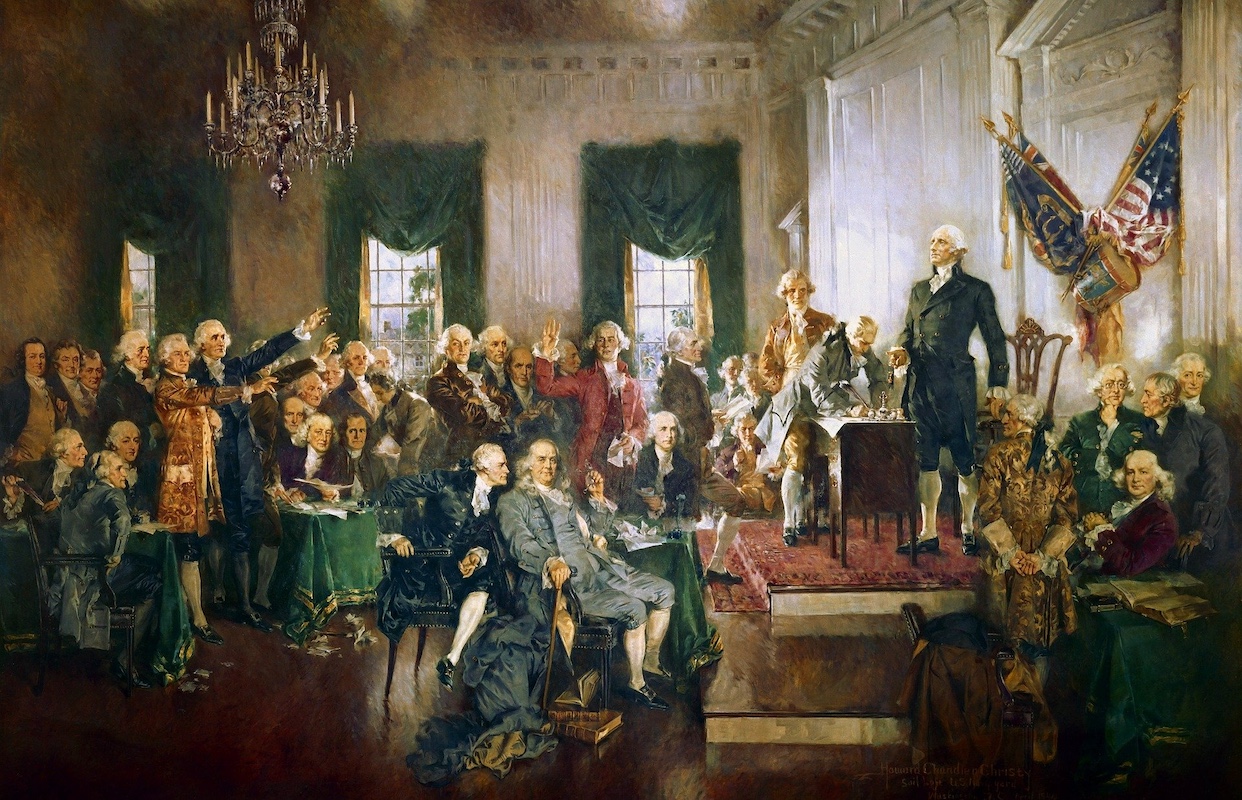
Modern technology often feels like a product of pure ingenuity, a steady march of progress driven by scientific curiosity. However, a closer examination reveals that many of the technological marvels we take for granted today have deep roots in specific historical events, often born out of necessity, conflict, or moments of profound societal change. From wartime innovations to the demands of exploration and the shifts in global power, history has been a powerful catalyst in shaping the technological landscape we inhabit.
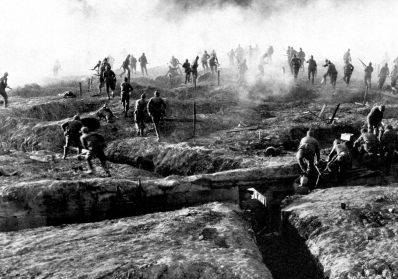
One of the most significant drivers of technological advancement has been war and military conflict. The urgency of defense and offense has consistently spurred rapid innovation. World War II, for instance, was a hotbed of technological development. The need for secure communication led to the early stages of computer science and code-breaking, exemplified by Alan Turing’s work at Bletchley Park. The demands of aerial warfare accelerated the development of jet propulsion and radar technology, innovations that would later revolutionize civilian aviation and weather forecasting. The space race of the Cold War era, fueled by geopolitical competition, led to breakthroughs in rocketry, satellite technology, and materials science, laying the groundwork for everything from GPS navigation to telecommunications.
Exploration and the desire to navigate the globe have also been crucial catalysts for technological progress. The Age of Exploration in the 15th and 16th centuries spurred advancements in shipbuilding, cartography, and navigation tools like the compass and the sextant. The challenges of long sea voyages necessitated innovations in food preservation and maritime medicine. Later, the exploration of the Arctic and Antarctic regions drove the development of specialized clothing, equipment, and communication technologies designed for extreme environments.
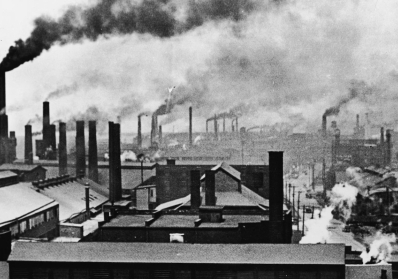
Industrial Revolutions, driven by fundamental shifts in production and energy, have been transformative periods for technology. The First Industrial Revolution, powered by steam and coal, led to the mechanization of manufacturing, the development of the steam engine, and the rise of rail transportation. The Second Industrial Revolution, fueled by electricity and oil, brought about mass production, the internal combustion engine, and the widespread adoption of telecommunications like the telephone and the telegraph. These periods of upheaval and innovation fundamentally reshaped societies and laid the groundwork for the digital age.
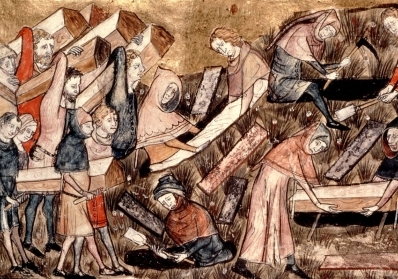
Global pandemics and health crises have also historically spurred technological innovation in the medical field. The urgent need to understand, treat, and prevent diseases has led to advancements in vaccine development, sanitation systems, diagnostic tools, and pharmaceutical research. The lessons learned from past epidemics, such as the development of quarantine measures and public health infrastructure, continue to inform our responses to contemporary health challenges and drive further technological advancements in healthcare.
Even shifts in social and political ideologies have indirectly influenced technological development. The rise of democratic ideals and the emphasis on individual rights have spurred the development of technologies that facilitate communication, information sharing, and political participation, from the printing press to the internet. The demand for greater efficiency and productivity in capitalist economies has driven automation and the development of sophisticated management systems.
Modern technology is not simply a linear progression of abstract scientific discovery. It is deeply intertwined with the currents of history, shaped by the demands of war, the spirit of exploration, the transformative power of industrial revolutions, the urgency of health crises, and the evolving needs and aspirations of societies. Understanding this historical context provides a richer appreciation for the origins and trajectories of the technologies that define our modern world and offers valuable insights into the forces that continue to drive innovation today.
Latest Articles

Latest Updates in Online Courses and Education.
While the names of ancient Egypt, Rome, and Greece often dominate discussions of the distant past, the world was once...
Read MoreThe term "Dark Ages" often conjures images of ignorance, barbarism, and a general decline following the fall of the Western...
Read MoreFor too long, the narrative of history has often focused predominantly on the actions and achievements of men, leaving the...
Read MoreMore than just a trade route, the Silk Road was a vibrant network of interconnected pathways that stretched for thousands...
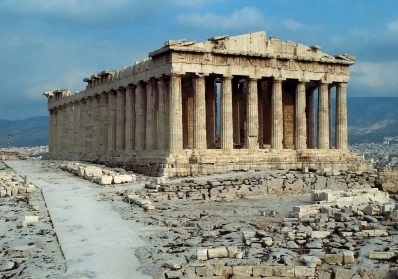
Read MoreMillennia after its golden age, the influence of ancient Greece permeates the very foundations of Western thought, art, and governance....
Read MoreThe two World Wars of the 20th century were cataclysmic events that not only resulted in unimaginable human suffering but...
Read MoreThe late 18th and 19th centuries witnessed a period of unprecedented transformation that we now know as the Industrial Revolution....
Read MoreThe grand sweep of history is punctuated by the ascent and eventual decline of empires – colossal political entities that...
Read MoreExploring the Ancient World: Bible History & Archaeology
Uncover the people, places, and events that shaped biblical and ancient history.
Dive into a rich collection of resources on ancient civilizations, biblical archaeology, and historical contexts. From the empires of Babylon and Assyria to the life of Jesus and the early church, discover maps, timelines, commentaries, and scholarly insights that bring the ancient world to life. Explore the intersection of faith, history, and archaeology with our curated articles, maps, and studies.