How the Industrial Revolution Shaped the Modern World
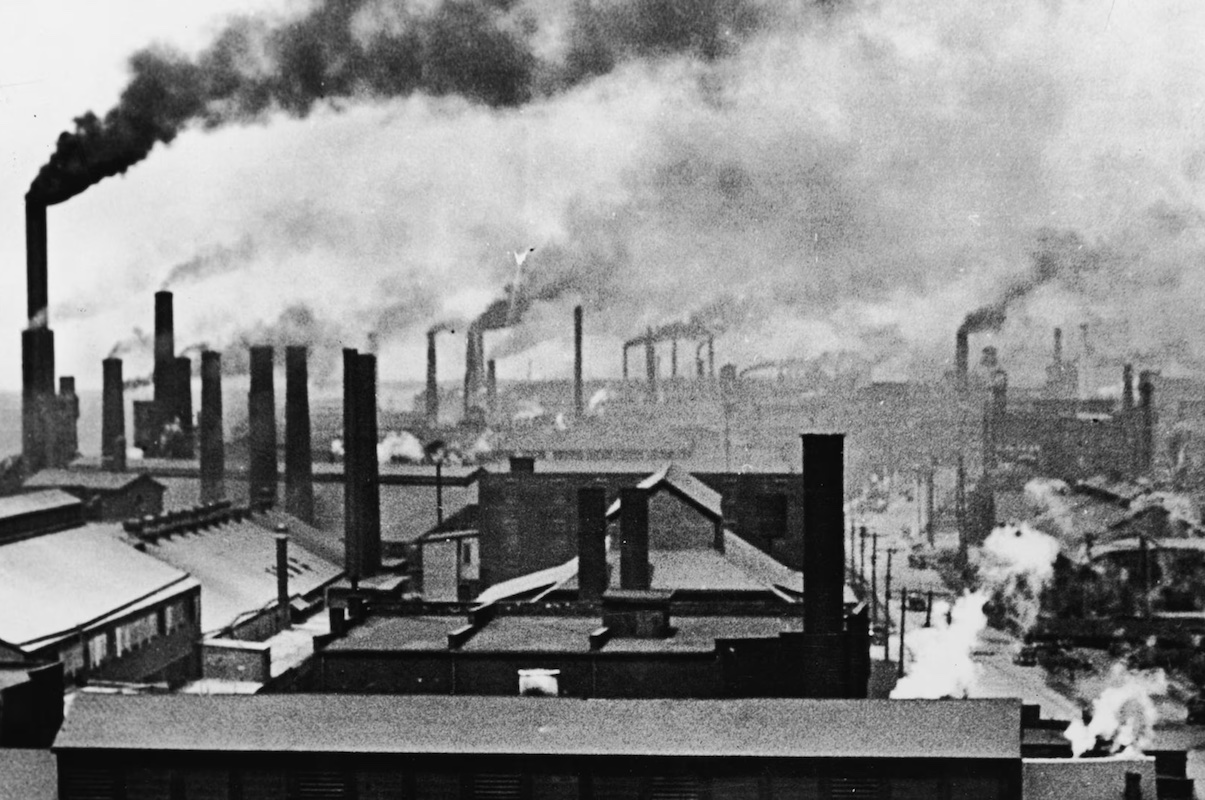
The late 18th and 19th centuries witnessed a period of unprecedented transformation that we now know as the Industrial Revolution. Beginning in Great Britain and spreading across Europe and North America, this era marked a fundamental shift from agrarian and handicraft-based economies to those dominated by industry and machine manufacturing. Its impact was so profound that it not only reshaped production and commerce but also fundamentally altered social structures, living conditions, and the very fabric of modern life.
One of the most significant impacts of the Industrial Revolution was the rise of mass production and factory systems. The invention of new machines like the power loom and the steam engine, coupled with the organization of labor in factories, allowed for the production of goods on an unprecedented scale. This dramatically lowered the cost of many commodities, making them more accessible to a wider population and fueling a consumer culture that continues to define modern economies.
The Industrial Revolution also triggered massive urbanization and the growth of industrial cities. As factories sprang up, people migrated from rural areas in search of work, leading to the rapid expansion of urban centers. While this concentration of population provided a workforce for the burgeoning industries, it also created significant social challenges, including overcrowding, poor sanitation, and the rise of new social classes with stark disparities in wealth and living conditions – issues that continue to be debated and addressed in urban planning and social policy today.
Furthermore, the Industrial Revolution spurred unparalleled technological innovation that continues to drive progress. The development of new power sources like steam and later electricity, advancements in metallurgy and chemistry, and the invention of new forms of transportation like the steamship and the railroad revolutionized how people lived, worked, and traveled. These innovations laid the groundwork for many of the technologies we take for granted today, from automobiles and airplanes to the internet and smartphones.
The social and political landscape was also profoundly reshaped. The rise of a new industrial working class led to the development of labor movements and the fight for workers' rights, including better wages, safer working conditions, and the right to organize. The ideas of socialism and communism emerged as responses to the perceived inequalities of industrial capitalism, shaping political ideologies and movements that had a lasting impact on the 20th century and beyond.
Moreover, the Industrial Revolution had a profound impact on global power dynamics and colonialism. The industrialized nations of Europe gained significant economic and military advantages, enabling them to expand their colonial empires in search of raw materials and new markets. This era of intense colonialism left a lasting legacy on the political and economic structures of many parts of the world, shaping international relations and development patterns that persist to this day.
The impact on daily life and social structures was equally transformative. The traditional family unit underwent changes as more people moved to cities and entered the wage-labor force. New forms of leisure and entertainment emerged alongside the changing work patterns. The very concept of time and work discipline was redefined by the factory system, influencing our modern understanding of schedules and productivity.
The Industrial Revolution was far more than just a technological shift; it was a fundamental turning point in human history that reshaped economies, societies, politics, and the environment. Its legacy continues to influence our world in countless ways, from the technologies we use and the cities we live in to the social and economic challenges we face. Understanding this transformative era is crucial to comprehending the complexities of the modern world and the forces that continue to shape our future.
Latest Articles

Latest Updates in Online Courses and Education.
While the names of ancient Egypt, Rome, and Greece often dominate discussions of the distant past, the world was once...
Read MoreThe term "Dark Ages" often conjures images of ignorance, barbarism, and a general decline following the fall of the Western...
Read MoreModern technology often feels like a product of pure ingenuity, a steady march of progress driven by scientific curiosity. However,...
Read MoreFor too long, the narrative of history has often focused predominantly on the actions and achievements of men, leaving the...
Read MoreMore than just a trade route, the Silk Road was a vibrant network of interconnected pathways that stretched for thousands...
Read MoreMillennia after its golden age, the influence of ancient Greece permeates the very foundations of Western thought, art, and governance....
Read MoreThe two World Wars of the 20th century were cataclysmic events that not only resulted in unimaginable human suffering but...
Read MoreThe grand sweep of history is punctuated by the ascent and eventual decline of empires – colossal political entities that...
Read MoreExploring the Ancient World: Bible History & Archaeology
Uncover the people, places, and events that shaped biblical and ancient history.
Dive into a rich collection of resources on ancient civilizations, biblical archaeology, and historical contexts. From the empires of Babylon and Assyria to the life of Jesus and the early church, discover maps, timelines, commentaries, and scholarly insights that bring the ancient world to life. Explore the intersection of faith, history, and archaeology with our curated articles, maps, and studies.