History of the Silk Road: Connecting East and West
More than just a trade route, the Silk Road was a vibrant network of interconnected pathways that stretched for thousands of miles, linking the East and West for centuries. It served as a conduit not only for precious goods like silk, spices, and porcelain but also for the exchange of cultures, religions, technologies, and even diseases, profoundly shaping the civilizations it touched.
The origins of the Silk Road can be traced back to the Han Dynasty in China (207 BCE - 220 CE), which sought to establish trade and diplomatic ties with the kingdoms to its west. The demand for Chinese silk in the Roman Empire fueled much of this early trade. However, the routes were not a single paved highway but rather a complex web of land and sea paths, evolving and shifting over time, traversing deserts, mountains, and grasslands.
The primary commodity that gave the Silk Road its name was silk, a luxurious fabric highly prized in the West. However, the caravans carried a vast array of other goods. From the East flowed spices like cinnamon, cloves, and nutmeg, tea, jade, bronze, and lacquerware. In return, the West offered horses, precious metals like gold and silver, glassware, textiles, wine, and olive oil. This exchange of goods fostered economic prosperity and interconnectedness between distant civilizations.
Beyond material wealth, the Silk Road was a crucial artery for cultural and intellectual exchange. Buddhism, originating in India, spread eastward along these routes, taking root in Central Asia and eventually becoming a major religion in China, Korea, and Japan. Along with religious beliefs, artistic styles, musical traditions, and architectural techniques also traveled eastward and westward, leading to fascinating cultural syncretism in the regions along the Silk Road. For instance, the Gandhara art of present-day Pakistan and Afghanistan beautifully blended Greek sculptural styles with Buddhist iconography.
The Silk Road also played a significant role in the transmission of knowledge and technology. China’s invention of paper and gunpowder gradually made their way westward, revolutionizing communication and warfare in Europe. Similarly, agricultural techniques, such as the cultivation of new crops, and advancements in astronomy and medicine were exchanged between East and West. This cross-pollination of ideas spurred innovation and development in various fields across the connected regions.
The control and maintenance of the Silk Road were often intertwined with the rise and fall of empires. Powerful empires like the Kushan Empire, the Tang Dynasty in China, and various Central Asian khanates played crucial roles in ensuring the safety of the trade routes and facilitating exchange. The prosperity of these empires often depended on their ability to control key sections of the Silk Road and benefit from the trade and cultural exchange it fostered.
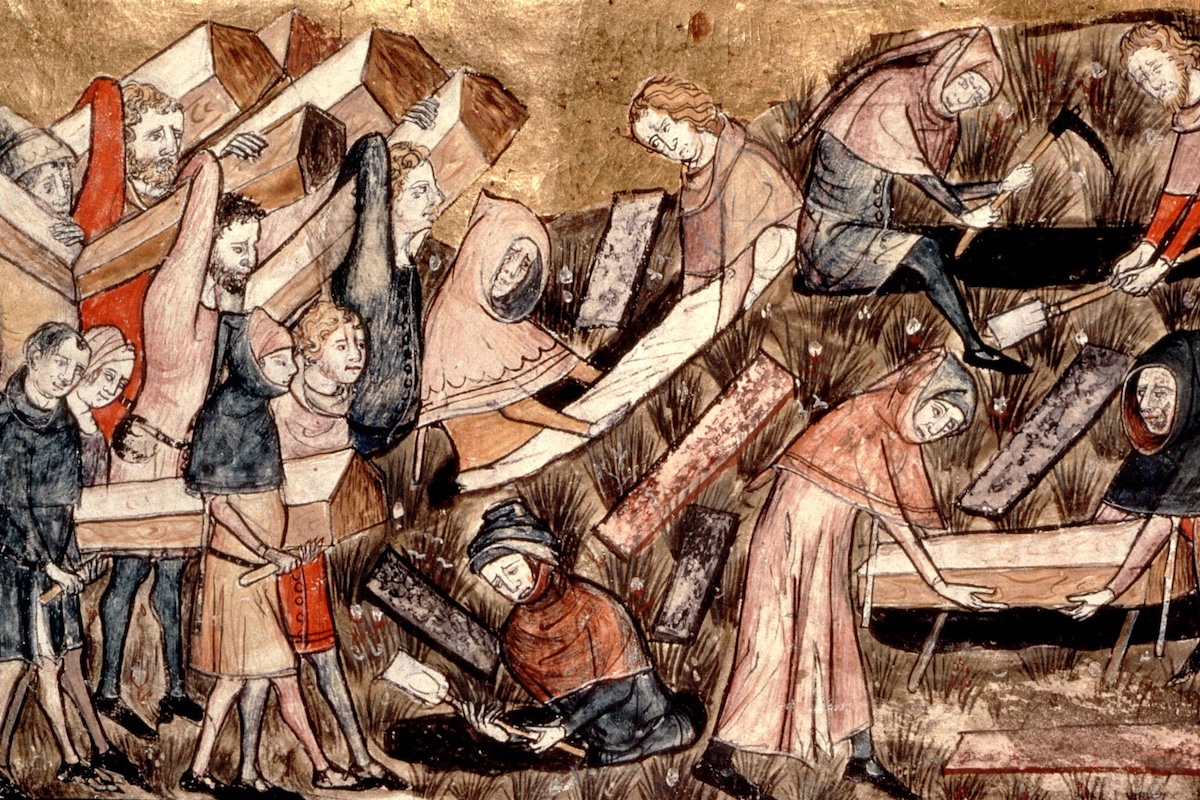
However, the Silk Road also facilitated the spread of diseases. The devastating bubonic plague, or Black Death, which ravaged Europe in the 14th century, is believed to have traveled westward along these trade routes, highlighting the interconnectedness of the world and the potential for both positive and negative consequences of such extensive networks.
The importance of the Silk Road began to decline in the maritime age following the European voyages of exploration in the 15th and 16th centuries. Sea routes offered faster and more efficient ways to transport goods between East and West, gradually eclipsing the traditional land-based routes. However, the legacy of the Silk Road endures in the cultural and historical tapestry of the regions it once connected.
Today, the spirit of the Silk Road is being rekindled through modern initiatives like the Belt and Road Initiative, aiming to foster connectivity and cooperation across Eurasia. Understanding the history of the ancient Silk Road provides valuable context for these contemporary efforts, reminding us of the long history of exchange and interdependence between East and West.
Latest Articles

Latest Updates in Online Courses and Education.
While the names of ancient Egypt, Rome, and Greece often dominate discussions of the distant past, the world was once...
Read MoreThe term "Dark Ages" often conjures images of ignorance, barbarism, and a general decline following the fall of the Western...
Read MoreModern technology often feels like a product of pure ingenuity, a steady march of progress driven by scientific curiosity. However,...
Read MoreFor too long, the narrative of history has often focused predominantly on the actions and achievements of men, leaving the...
Read MoreMillennia after its golden age, the influence of ancient Greece permeates the very foundations of Western thought, art, and governance....
Read MoreThe two World Wars of the 20th century were cataclysmic events that not only resulted in unimaginable human suffering but...
Read MoreThe late 18th and 19th centuries witnessed a period of unprecedented transformation that we now know as the Industrial Revolution....
Read MoreThe grand sweep of history is punctuated by the ascent and eventual decline of empires – colossal political entities that...
Read MoreExploring the Ancient World: Bible History & Archaeology
Uncover the people, places, and events that shaped biblical and ancient history.
Dive into a rich collection of resources on ancient civilizations, biblical archaeology, and historical contexts. From the empires of Babylon and Assyria to the life of Jesus and the early church, discover maps, timelines, commentaries, and scholarly insights that bring the ancient world to life. Explore the intersection of faith, history, and archaeology with our curated articles, maps, and studies.